
Vietnam is a country that reveals itself in layers. This journey began in the south and slowly moved north, weaving together deep history, tropical landscapes, and cities full of constant movement and life.
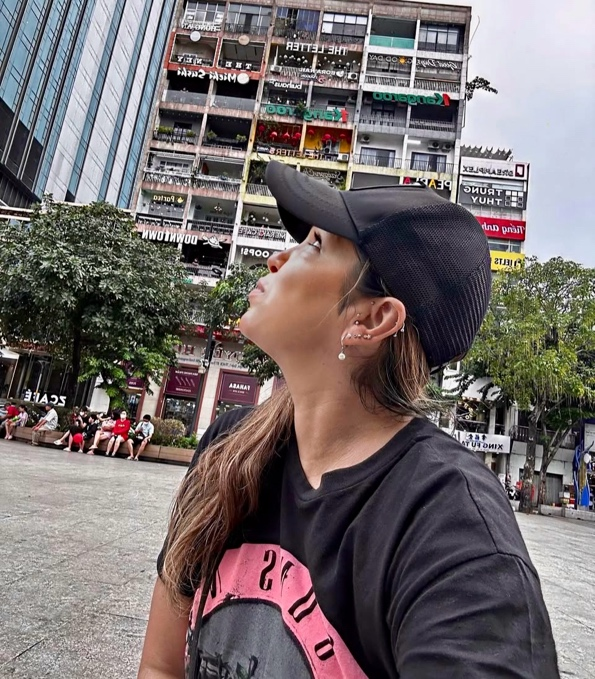
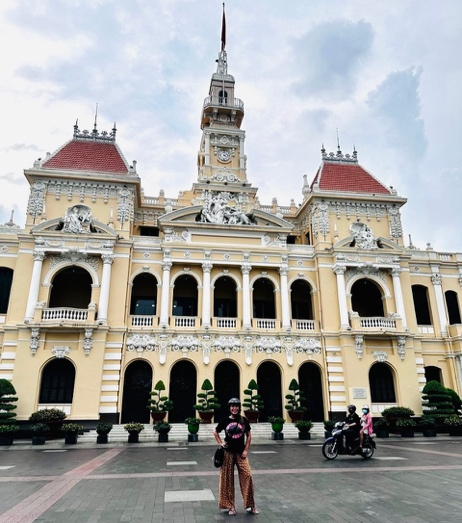
I arrived in Ho Chi Minh City by plane from Siem Reap, Cambodia. From the very first moment, the city feels intense, marked by a complex and powerful past. There, I visited the main historical sites and joined a tour of the Cu Chi Tunnels, used during the war with the United States.
The tour offers a clear understanding of how this vast underground system functioned and what daily life below ground was like. What impressed me most was the strategy behind it. Vietnamese fighters built an intricate tunnel network and relied on patience, camouflage, and deep knowledge of the terrain, waiting until enemy soldiers rested or fell asleep before attacking. This approach was key to resisting for years against a technologically superior army. The conflict resulted in approximately three million Vietnamese deaths and more than 58,000 U.S. soldiers killed.
During the visit, it is possible to enter and move through sections of the tunnels, see underground kitchens, meeting areas, original traps, and resting zones. The experience is guided and contextualized historically, with the option to visit shooting ranges for those who wish to explore this aspect of the war period.
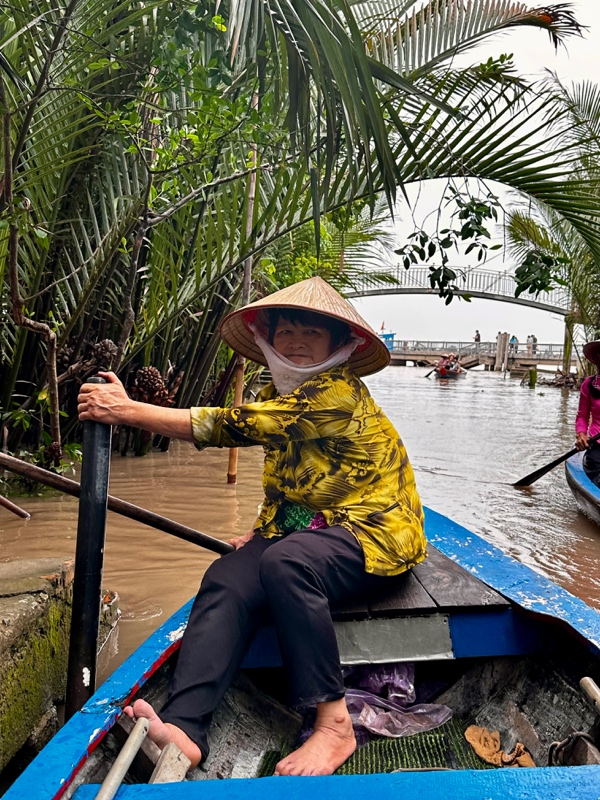
After this intense historical immersion, the route continued through the natural regions of southern Vietnam, influenced by the Mekong River. These tropical landscapes are defined by dense vegetation, rich biodiversity, and abundant wildlife. Along the waterways, it is common to see birds, fish, monkeys, and lush plant life. This part of the journey brings calm and contrast, offering a slower rhythm far removed from city life.
From the south, I traveled north to Hanoi, the capital. Hanoi is vibrant and full of everyday local life, with markets, narrow streets, and constant movement. Many streets are traditionally dedicated to specific crafts or products, a system rooted in ancient guilds that still shapes the city’s identity today.
Food plays a central role in the Hanoi experience. There, I tried classic dishes such as pho, a hot soup made with clear broth, rice noodles, and beef or chicken, served with fresh herbs, lime, and sprouts, and bun cha, grilled pork served with rice noodles, herbs, and a lightly sweet and savory sauce typical of the city. These meals are found everywhere, from street stalls to small family-run restaurants.
To move around the city, one of the most practical options is the motorbike taxi, known as xe ôm. Riding with a local driver offers a unique way to experience Hanoi from within. This type of travel also opens the door to longer and iconic routes such as the Ha Giang Loop, a mountainous journey in the far north, or the Hai Van Pass, a spectacular road connecting the coast with the interior.
This journey through Vietnam felt complete. It brought together history, nature, and cities that never stop moving. A country best explored slowly, understanding both its past and present, and allowing yourself to be carried by its rhythm.