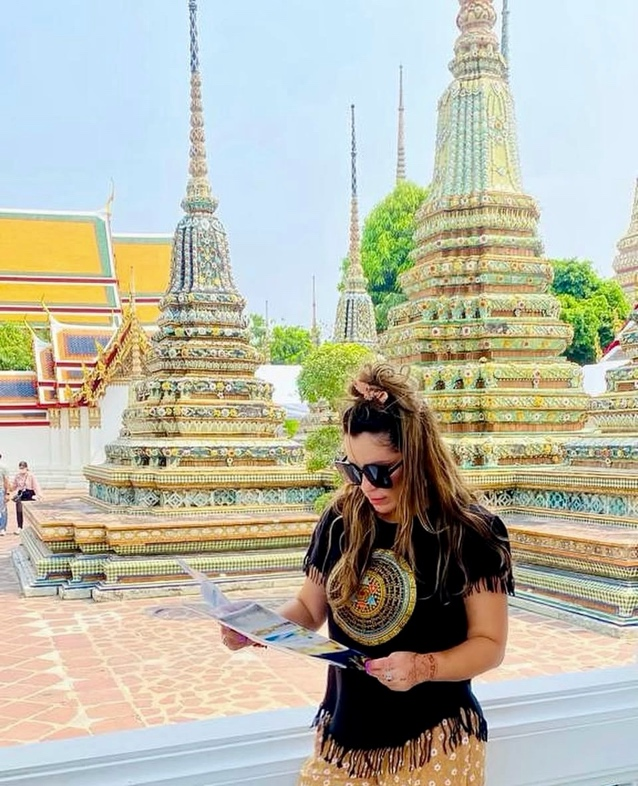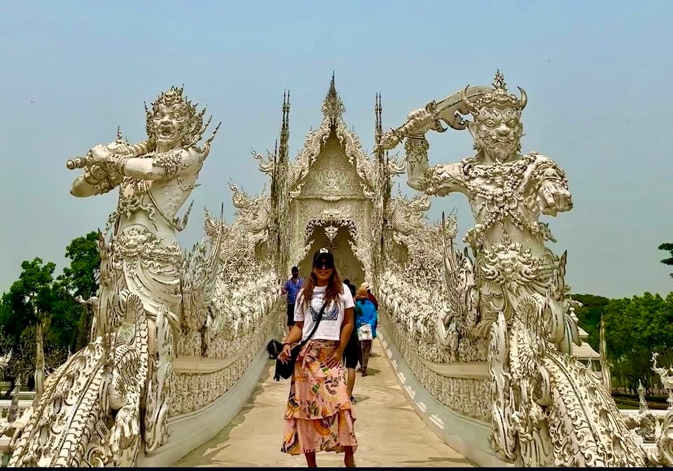

I arrived in Thailand through Bangkok, and there was no way to enter slowly. The heat wraps around you, the noise pushes you forward, and everything moves at once. Cars, motorbikes, street food, unfamiliar scents that somehow stay with you forever. Bangkok is intense, exaggerated, chaotic. It does not try to impress. It simply exists in its own rhythm. And right in the middle of that movement, temples appear. People sitting in silence. Small corners where someone is praying or meditating. In Thailand, daily life and spirituality do not live separately. They naturally coexist.
From Bangkok, I traveled south to the islands. I spent time in Phi Phi Islands and in Krabi, where our hotel faced the sea. Waking up to endless blue water became part of the routine. We explored on foot and rented a motorbike on some days, which feels almost essential when traveling in Thailand. You stop wherever you want, without strict plans or pressure. Thailand’s islands have a natural ability to slow you down. Swimming in turquoise water, eating fresh local food, drying under the sun, watching limestone cliffs rise from the sea. Everything feels simple. Everything feels light. Boat tours, dramatic rock formations, deep green landscapes. These are the images that define island life in southern Thailand.
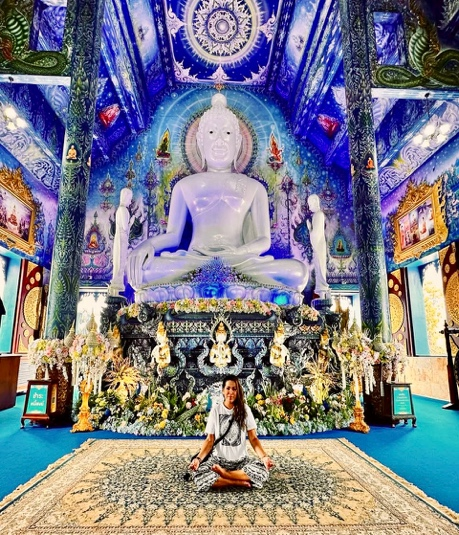
From the south, I continued north to Chiang Mai. The energy shifts completely. The country feels more introspective here. I traveled there with a clear intention: to complete a fourteen day Vipassana meditation retreat at the Buddhist temple of Doi Suthep. The temple is filled with golden details, statues shining in the sunlight, flowers and incense that linger in the air. Everything invites you to lower your inner noise and turn inward.
The Vipassana retreat was one of the most demanding experiences of my travels in Thailand. Absolute silence. Continuous meditation. No conversations. Only brief feedback sessions with the monk. A disciplined daily routine. As the days pass, the mind begins to reorganize itself. Clarity appears. Thoughts settle. You do not leave feeling euphoric or dramatically transformed. You leave calm, grounded, aligned. Meditation in Thailand is not a trend. It is part of a living spiritual tradition that you can truly experience.
After this transformative experience in Chiang Mai, I visited an elephant sanctuary. I want to be clear about something important. I do not support exploitative animal tourism. What I experienced was different. Many of these elephants had been rescued from abuse and were brought to this sanctuary to live the rest of their lives in safety. There were no shows, no performances. Visitors could feed them, clean their living areas, and help care for them. Sharing space with such a powerful and gentle animal brings you back to the present immediately. It is about respect, not entertainment.
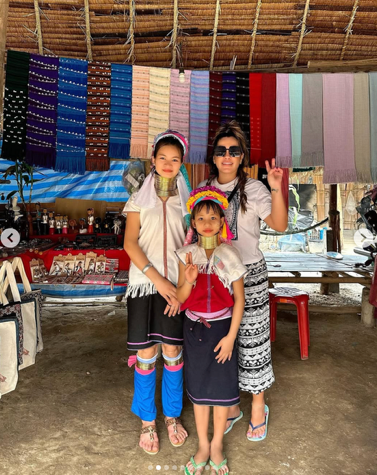
Finally, I traveled to Chiang Rai. There, I experienced two unforgettable moments. The first was meeting women from the Karen communities, often known for their distinctive brass neck rings. Seeing them in person, beyond photographs and documentaries, was intense and deeply moving.
The second was visiting the Baan Dam Museum, also called the Black Temple, created by Thai artist Thawan Duchanee. The space is bold, dark, and filled with strong symbolism, including provocative elements. It does not aim to comfort. It challenges you. Today, it also integrates interactive features such as QR codes, adding digital layers to the artistic experience. You leave reflective, slightly shaken, fully awake.
Thailand is not a destination you simply visit. It is a country you experience with your entire body. It offers chaos and calm, movement and stillness, discipline and freedom. Whether you are exploring Bangkok, island hopping in Phi Phi and Krabi, meditating in Chiang Mai, or discovering art and culture in Chiang Rai, Thailand gives you more than photographs. It gives you perspective, energy, and a shift that stays long after your journey ends.