The first time I visited Europe, I started in Spain. I arrived in Madrid, which I believe is the easiest way to enter Europe for Spanish speakers, obviously because of the language. There, I had a wonderful time with a friend who showed me this charming city for the first time, but I’ll save Spain for another post.
I’ll continue with my second destination, Berlin, and the other cities that were added to my itinerary because of their proximity and convenience for getting around. It was an unforgettable trip: my first time on a train, my first time missing a train, and well, everything felt so new, a bit chaotic, and magical all at once, but with the excitement of everything that lay ahead.
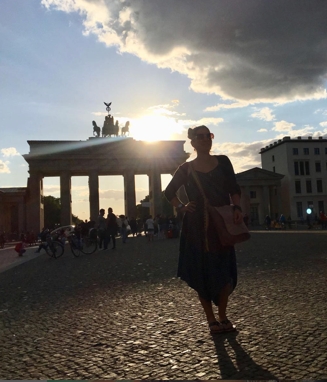
Berlin: A City of Giants
I arrived in Germany to meet a friend in Berlin, and as soon as I set foot on the ground, I felt like I was in a city of giants, and not because all Germans are tall, that’s just a cliché!, but rather because of the sheer scale of its architecture. When you stand in front of Humboldt University in Bebelplatz, you feel tiny. Everything around you is so vast that you feel the immensity of its buildings, and of course, it touches a sensitive nerve when you know that right there, the Nazi book burning took place in 1933, organized by the National Socialist Student Association. More than 20,000 books by authors censored by the regime (such as Karl Marx, Albert Einstein, Sigmund Freud, and Heinrich Heine, among others) were burned. Now, in their honor, there is a subterranean memorial created by the artist Micha Ullman: a glass plate on the ground through which you can look down into an underground library with completely empty shelves, designed with enough space to hold the 20,000 books destroyed that night.
Today, Berlin is a city where creativity is everywhere. The people, the walls, and the streets display urban art that tells the story of everything that happened, but also of that free energy and a newly reborn spirit rising after pain and despair. So when night falls, its bars and clubs light up with techno music, which, by the way, was declared UNESCO Cultural Heritage, and you can see another side of the city, more open and more resilient. For me, all these details make it unique. If you like techno, another must-see on the list.
Brussels: Laughs, Costumes, and a Touch of Comedy
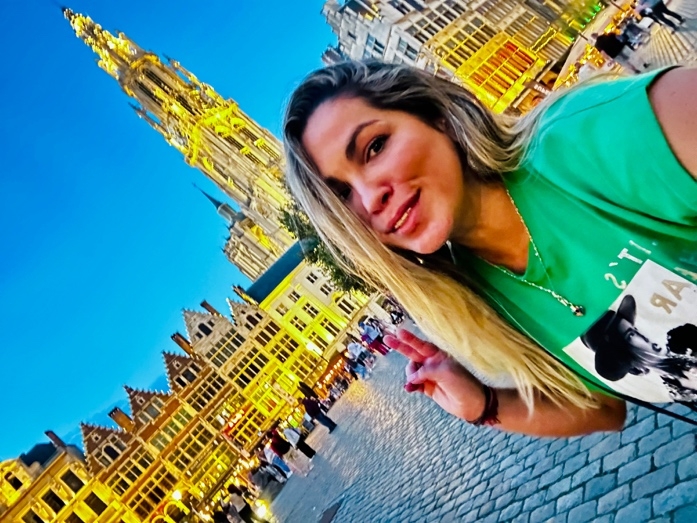
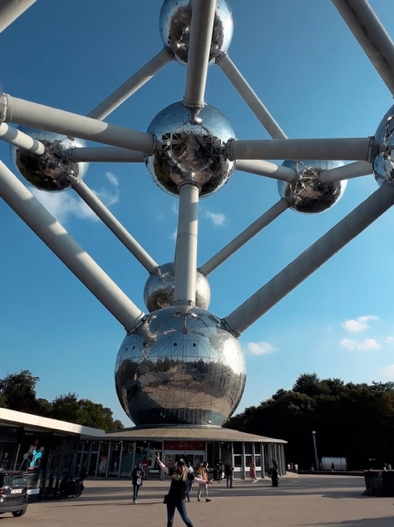
Next, we headed to Brussels, a beautiful city. One interesting anecdote from the trip was that, upon arrival, everyone was speaking French; I had no idea that French was the official language in that part of Belgium, given that Dutch and German are also spoken there (this was a long time ago, so I won’t make excuses!). I must admit that when I first started traveling, my knowledge of the geography and general culture of these countries wasn’t very good, but now I can say that traveling truly improves those skills.
The iconic representative of this city is the Manneken Pis, that little statue who, according to legend, saved the city with his urine, which is why everyone goes to see that little corner with his various outfits. And yes, artists and fashion designers create custom costumes for him, they even have a museum dedicated to displaying his wardrobe, and there’s a lot of merchandise built around it. From there, I have a very funny memory, we spent hours searching for the Smurfs statue all over the city. It wasn’t easy to find because my English was terrible, but when we finally did, it was super exciting.
Brussels felt like a beautiful, elegant city full of contrasts; you can feel that it is the political heart of Europe alongside its modern rhythm. It’s a place that blends history, diplomacy, and contemporary energy, often referred to as the “Manhattan of Brussels.”
Amsterdam: Bicycles, Canals, and Freedom
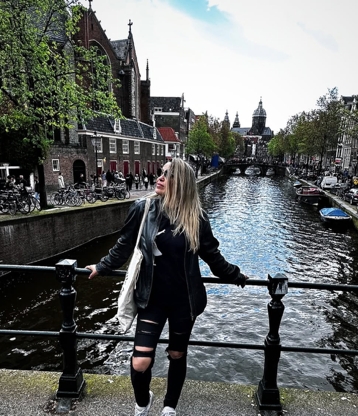
Our next destination was Amsterdam, so yes, we were extremely excited and, naturally, captivated right away. As soon as we stepped off the train, we felt the city’s energy: people on bikes, bustling cafés, serene and beautiful canals throughout the city, and a strong sense of freedom.
We made our way to Museumplein, where we visited the Van Gogh Museum and sat on the green grass in the park. The large letters spelling out I ♡ amsterdam made taking a photo a absolute requirement. This square also houses famous museums like the Rijksmuseum and the Moco Museum, which I would visit later on future trips. Personally, I love museums, so that area felt like paradise. Everything there is filled with art, color, history, and life.
Later, we visited the Red Light District, where Amsterdam revealed its unique side, a place where freedom in many aspects is lived openly, prompting you to reflect on how each society finds its own balance. This city is a absolute must on your European bucket list.
Prague: The Magic of Intact History
Afterward, we arrived in Prague. My expectations were high because I knew it was the city that Hitler hadn’t destroyed during World War II, so you can still observe its almost intact architecture. I was fascinated; its design is so distinct and perfectly preserved, with colors showing the passage of time and telling its story.
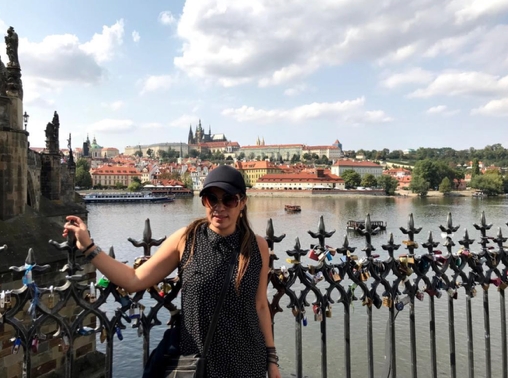
Walking along its cobblestone streets, crossing Charles Bridge, and seeing those statues wrapped in a dark patina that conveys years of standing guard, overseeing people sitting down to sing and play beautiful songs while the golden reflections on the river at sunset make the scene look like a painting, is unforgettable. Prague has something deeply magical, melancholic and poetic at the same time.
Vienna: Elegance and Outdoor Music
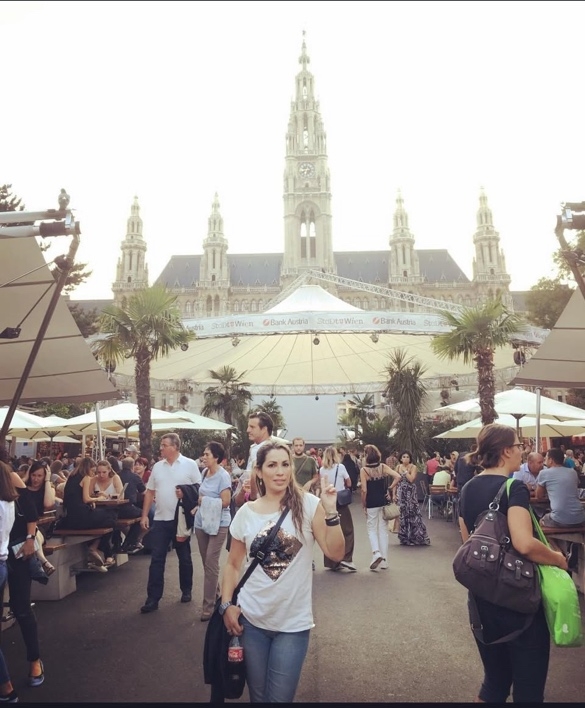
Finally, our last destination of this journey, Vienna. When we arrived, we saw a city bathed by the Danube, filled with elegance and classical music. Luckily for us, the day we arrived at Rathausplatz, we happened upon the Music Film Festival, where you can watch and listen to classical music concerts, opera, and ballet with spectacular sound and lighting. They set up a giant screen projecting these productions, completely free to the public, surrounded by food stalls with a very elegant, classic vibe. Amazing!
Austria is truly considered the heart of European classical music. Among the composers born there or who spent the majority of their careers in the country are Mozart, Beethoven, Schubert, and Johann Strauss II (known as “The King of the Waltz,” born in Vienna and composer of the famous Blue Danube waltz). Being there was an incredible experience, a memory I will cherish forever.
A Journey That Marked the Path
And so I said goodbye to all these beautiful lands with an overwhelming desire to return, so much so that today I live here! I really loved that Nordic side, with its dark, melancholic autumn skies. So this tour is highly recommended for anyone visiting Europe for the first time and wanting to explore several countries.