
Trinidad moves to its own rhythm. Music slips into the day without asking, colors feel deeper, and everything seems to happen with more intensity. Drums travel through the streets, people move fast, they dance, and the city almost never feels still. When you leave the city behind, the change is immediate. The road curves through hills and forests, the noise slowly fades, everything becomes calmer, and the air smells greener.
Trinidad’s culture doesn’t fit neatly into categories. British habits appear in everyday details, like driving on the left. African roots are felt more than explained, in the drums, in dance, and in the energy of Carnival. Indian traditions shape food, color, and daily rituals, while French and Spanish influences appear in fragments of language and flavor. None of this feels forced or staged. It’s simply there, part of how the island lives and breathes.
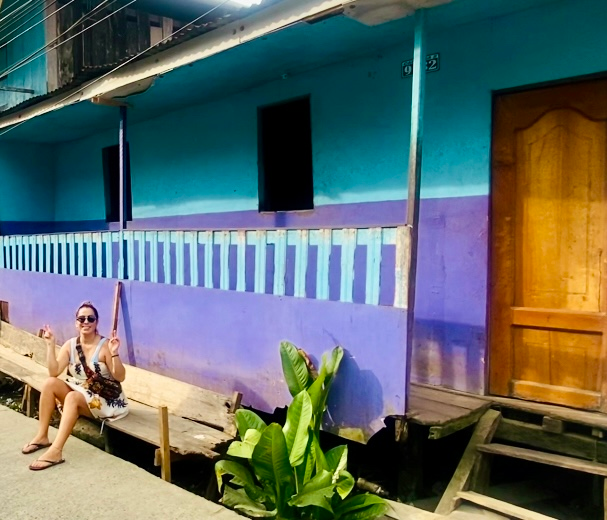
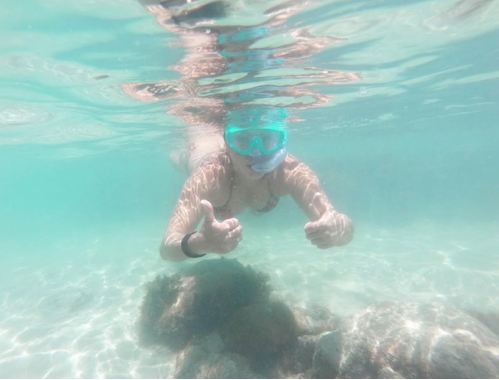
Then comes Tobago. Smaller, calmer, softer. It welcomed me with a charm that instantly reminded me of Santa Marta, Colombia. Colorful houses, open smiles, and calypso music flow naturally through daily life. Here, the sea takes center stage. White sand beaches, coral reefs, and clear turquoise waters invite you in without effort. Snorkeling at Buccoo Reef feels almost unreal, as if the ocean decided to show off its brightest shades.
Between March and August, nature offers one of its most moving spectacles. Leatherback turtles come ashore to lay their eggs on beaches like Grande Riviere and Matura in Trinidad. Watching new life return to the ocean is one of those quiet moments that stay with you long after the journey ends.
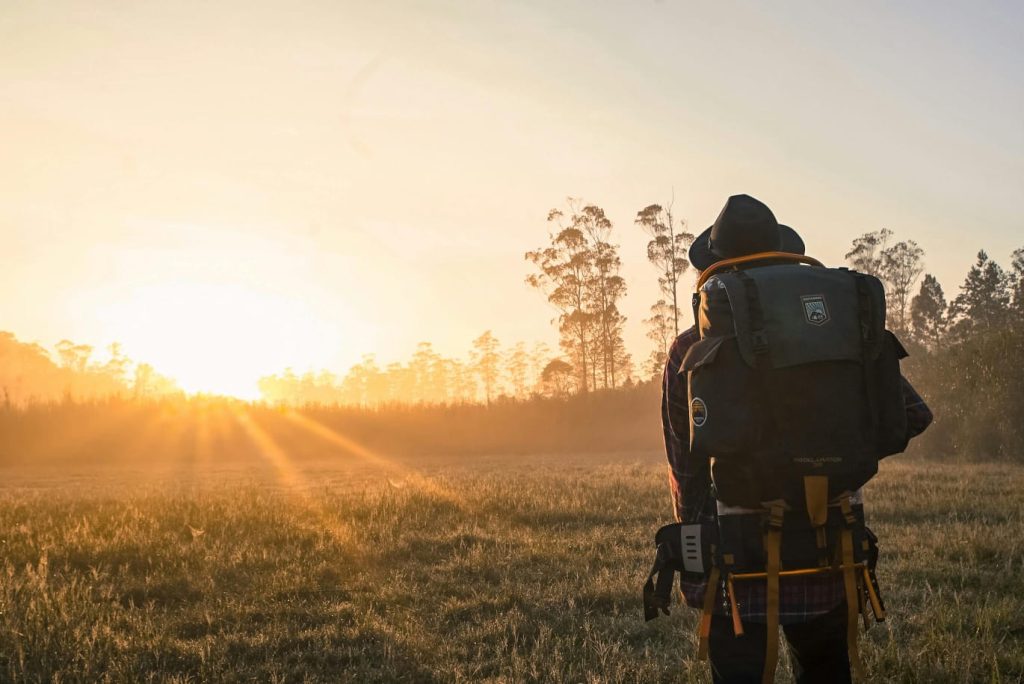
Trinidad and Tobago are known for their cocoa and rum, for mountains that rise dramatically beside the sea, and for music that never fully disappears. For me, it was a journey shaped by rhythm and calm, by wild nature and gentle beaches. A corner of the Caribbean where color fills the soul, and every sunrise feels like the beginning of a new song.