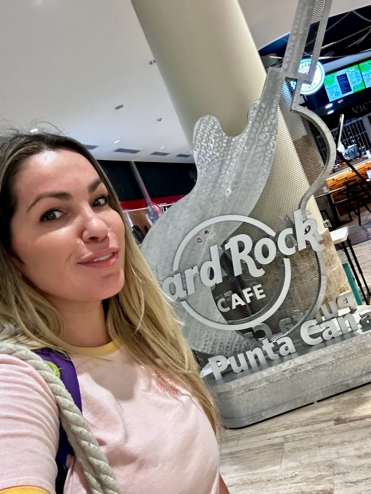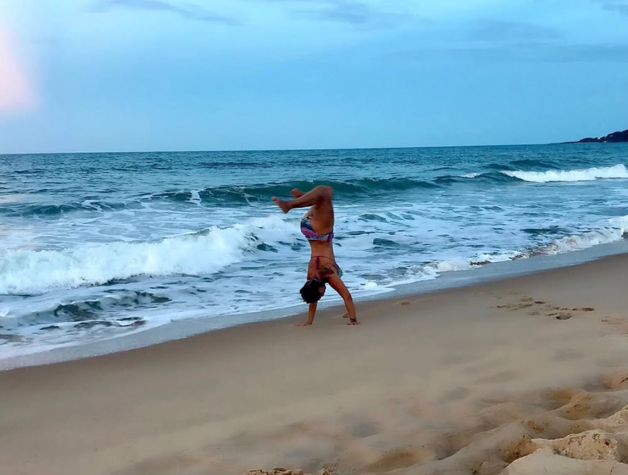

I didn’t arrive in the Dominican Republic with a plan, and it turned out to be the right way to do it. Punta Cana was my first stop. Palm trees, pale sand, clear water. Days stretched out without much effort. You swim, you sit, you laugh, you lose track of time. Drinks show up. Mamajuana shows up. The sea decides when the day starts and when it ends.
Santo Domingo came later, and it felt different right away. Louder, heavier, more grounded. History isn’t something you visit there, it’s simply around you. Old streets, worn buildings, places that have been standing far longer than you expect. In the Zona Colonial, balconies lean over the streets, music drifts through open spaces, and coffee seems to be everywhere. You walk, you stop, you look around. The city doesn’t ask for attention, it just keeps going.
And while the past whispers through ancient stones, music fills the air. Merengue and bachata, both born on this island, are everywhere, in the streets, on the beach, in every smile. It’s impossible to stay still when the drums and guitars tell stories of love, celebration, and the sea.
In the north, between January and March, the country experiences one of the Caribbean’s most magical natural shows, the arrival of humpback whales in the Bay of Samaná. They travel thousands of kilometers from the Atlantic to give birth in warm waters. Watching them leap, so big yet so graceful, is one of those moments that leave your soul silent.
They say Christopher Columbus is buried here, though Spain insists otherwise. But that mystery is part of the Dominican charm, between what was and what still is, this island never stops surprising you. The Dominican Republic isn’t just a place to visit, it’s something you feel, in your body, in the music, and in that sun that follows you even when you close your eyes.