
Whenever I think of the Baltic countries, my mind immediately drifts to winter and to Christmas markets. First, because it was during that season when I visited this region for the very first time, and because my main goal was to enjoy its festive squares. Just like in other iconic regions such as Alsace with Colmar and Strasbourg, Bavaria with the historic Christkindlesmarkt in Nuremberg, or the Austrian Tyrol surrounded by the Alps, these northern lands approach the season with a devotion and care that make simply being there a privilege. So no matter how many destinations I have visited before or since, the markets of Tallinn, Riga, and Vilnius still live in my memory as unique little winter worlds of their own.
My first encounter with this Baltic magic happened on a trip dedicated exclusively to Tallinn, the capital of Estonia. This capital hosts the most famous market in the region and holds the historical milestone of having installed the first registered public Christmas tree in Europe in the Town Hall Square back in 1441. Walking through its medieval old town under the snow, surrounded by centuries-old stone walls and majestic illuminated wooden towers, felt like stepping into a true fairytale from another era.
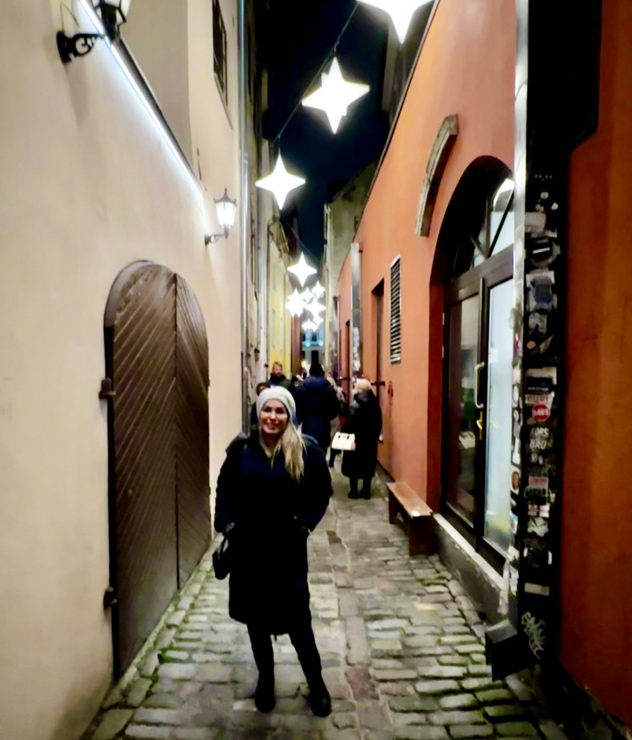
In Tallinn, the streets glow with thousands of tiny lights twinkling like low-hanging stars against the dark northern sky. The air is filled with the scent of cinnamon, roasted almonds, fresh bread, and spiced wine warmed gently between gloved hands. The crackling wood of the small market stalls brings a unique warmth while snow falls slowly, with that soft northern grace that feels less like weather and more like a gentle presence. From every corner of the square, the sound of fire, food, and traditional music floats through the air, as if the city itself were telling ancient stories.
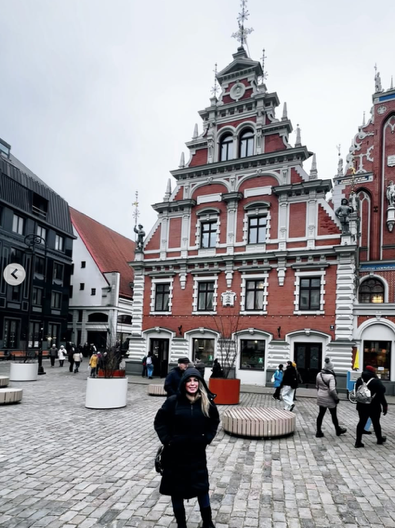
Sometime later, on a new journey through the north, I set off to discover Riga and Vilnius. In Vilnius, the capital of Lithuania, I came across its famous tradition of creating avant-garde, monumental Christmas trees in Cathedral Square, where light installations cover the plaza like a massive glowing dome. Meanwhile, Riga, the capital of Latvia, stands shoulder to shoulder in history as the place where merchant guilds decorated another of the earliest festive trees back in 1510. Its market in Dome Square is famous for its intimate atmosphere, and that unique setting surrounded by Art Nouveau architecture and medieval alleyways.
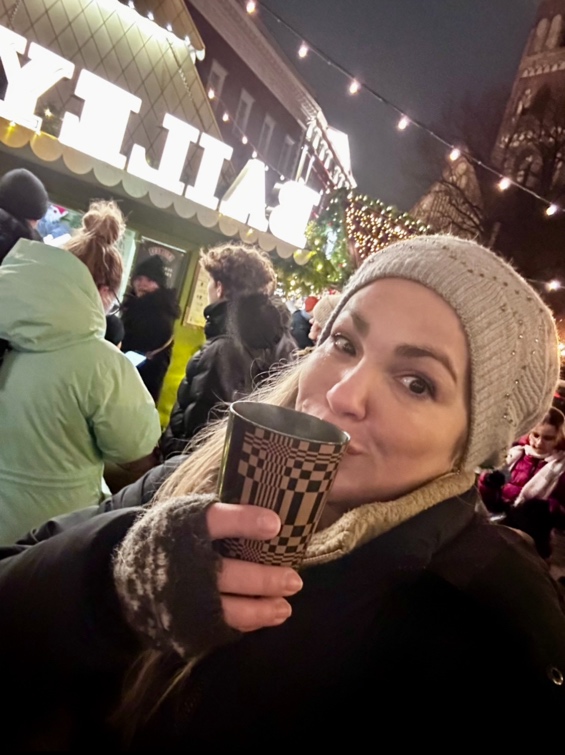
The wooden stalls form a universe of their own. Smoky grills crackle softly, sausages and meats sizzle over open fires, soups are served in warm bread bowls, potatoes fry in enormous pans, and sweet pastries appear dusted with sugar as if snow had settled on them. Everything is tended by people dressed as medieval monks, wearing period clothing and using traditional utensils that truly make you travel back in time. Standing there simply takes your breath away. People gather around shared tables, warming their hands with Glühwein, that delicious hot Christmas wine crafted with herbs, fruits, and honey that wraps around you in a sweet, comforting embrace.
Among the stalls, you find gloves and hats knitted from local wool, scented candles, carved wooden toys, and small art pieces inspired by northern forests and the mythical beings believed to protect winter. Fairies, elves, and gentle household spirits seem to watch quietly from shelves and corners. It is something truly unique and special that I absolutely adore about these northern countries. Colors glow warmly against the snow, and every step feels like an invitation to stay just a little longer. In a region where days are short and the cold wraps around you completely, Christmas is not simply something you celebrate. It is something you live, breathe, and feel deeply. It is a blend of history, tradition, flavors, music, and human warmth that stays with you long after you leave. Simply magical.